1939
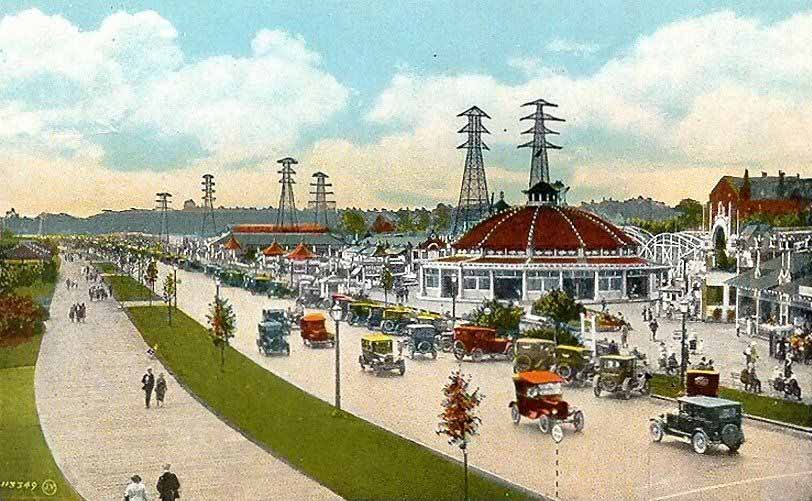
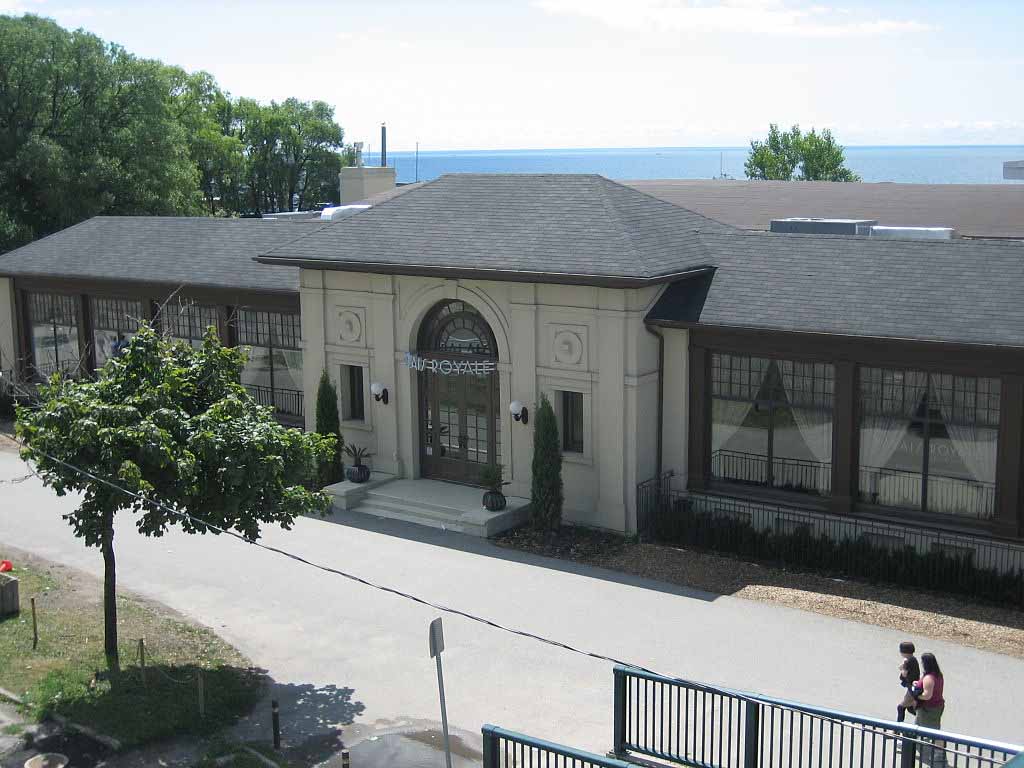
I met Doug in March 1939 when I worked at Unique Art Studio. We met at the Palais Royale dance hall on Lakeshore Boulevard at Sunnyside.1
Reputable and popular dance halls, clubs and ballrooms were springing up in many Canadian cities in the 1930s. They were wonderful meeting places for couples. We began dating and attended many dances on weekends with four, sometimes five, of Doug’s high school friends and their current girlfriends. Some of the places we frequented were the Brant Inn in Burlington, The White Castle, east of Toronto, The Old Mill, The Embassy at Bay and Bloor Streets, Casa Loma, The Boulevard Club on the Lakeshore, and Top Hat, an elaborate Ball Room near the Lakeshore in west Toronto. Two of Doug’s friends had cars, so distance wasn’t a problem.
One of the most popular dances in smaller dance halls was the Hokey-Pokey. It was fun because it included everybody who was interested in joining. My niece found the following article on the Internet:
The Hokey-Pokey’s enduring influence on our culture is hard to explain. I think its strange charm stems from its unabashed goofiness. For instance, first you put your right foot in, then you take it out. You put your right foot in again, then shake it all about, and only then, just before turning yourself around, do you actually do the Hokey-Pokey. So what is the Hokey-Pokey, exactly? It happens between the shaking and the turning, but the song doesn’t provide any clues. Perhaps it refers to the screwing-in-a-lightbulb motion you do with both hands before turning yourself around. And here’s another tidbit: Apparently some Canadian found himself in an obscure little country and was asked what the traditional Canadian dance is, and so he did the Hokey-Pokey for them. They loved it, but he made the mistake of telling others what he had done, which came to the attention of someone at the CBC who made a citizen’s arrest and revoked passport and his citizenship. So, be careful who you talk to about the Hokey-Pokey!!!4
Doug and I went to Sunnyside on our own occasionally to ride the roller coaster and see the sights. We danced at an outdoor dance hall called “The Sea Breeze.” The charge was ten cents a dance. Since there was no roof over the dance floor it featured a gently slanted dance floor allowing rainwater to run off.
We enjoyed “Fred Waring and The Pennsylvanians,” a popular big band.5 They were on the radio every weekday in the early evenings. When we weren’t together, we listened to their music in our respective homes. We went to the movies, for long walks and to Centre Island.
Yardley Cosmetics gave me an assignment to colour their products in water colours for their sales catalogues. Colour photography was still relatively new and expensive. Hand colouring cut down on their expenses. The company sent all their products to my house to make sure the colours were exact. Doug spent an evening helping me with my work. He was meticulous and a great help. The scent of the products permeated throughout out the rooms – pleasant to work in.
One beautiful Sunday we went for a boat ride to Queenston.
It was a wonderful time till Canada entered the war. Doug and his friends went off to join different branches of the service in different parts of the country. We always got together when our friends came home on leave. In 1944, after being in the service for about two years in different parts of Canada, Doug was sent overseas.
The Palais Royale held a reunion in the late Fifties for married couples who met there. I can’t remember why, but we didn’t attend.
Next Chapter: My Name
1 The Sunnyside Amusement Park. The park was demolished in 1955 but the Palais Royale still operates today as a banquet hall and meeting venue. The Torontoist published a look back at Sunnyside in June, 2008. Return
2 Source: Wikipedia page for Sunnyside Amusement Park. Return
3 Source: Wikipedia page for Palais Royale. Return
4 A similar article, without the unlikely story of the citizen’s arrest, can be found on the Star Chamber blog published on April 13, 2003, entitled “Hokey Pokey Hocus Pocus.” Return
5 Fred Waring was an American bandleader and media personality. Return