1928+
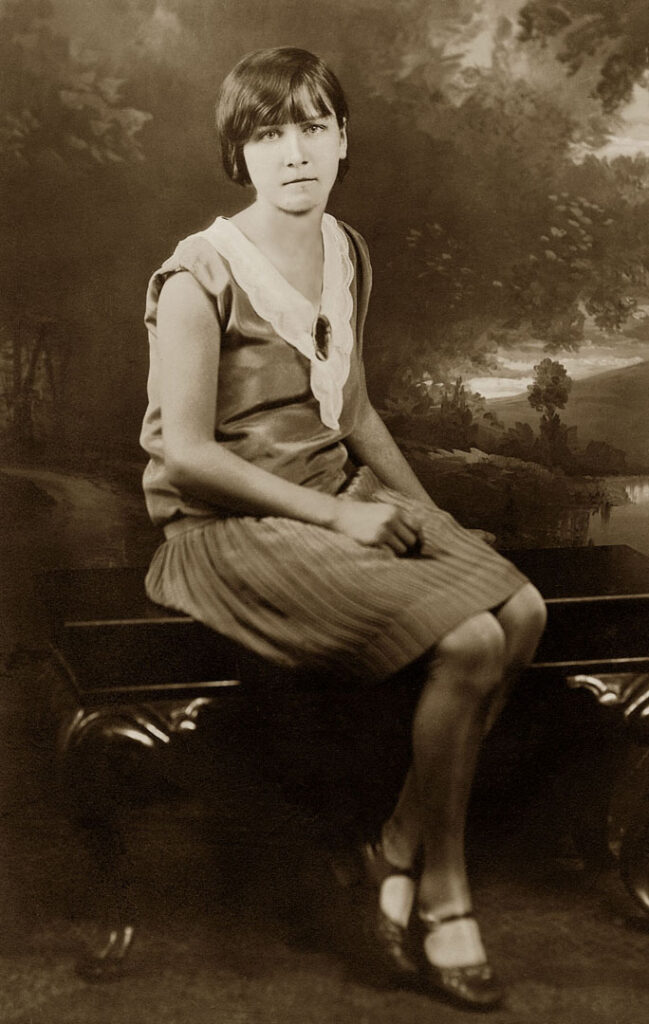
North End Winnipeg was populated mostly by Polish, Jewish, German, Ukrainian and Russian immigrants. Each nationality had their own community centres and hoped to preserve their individual cultures to pass on to their children. I was not aware of any discrimination in the north end of the city. We never locked our doors. I don’t think we ever had a key.
Although my father was Polish, we were brought up as Ukrainians. We attended Ukrainian school on Saturday mornings. We took Ukrainian folk dancing. We were taught musical instruments, gymnastics, cross stitch embroidery, Indian clubs, and memory classes (something I definitely should have continued). I took classes in everything offered except singing. I would have loved to sing in the choir but was discouraged by everybody around me including Ollie, my best friend.
Our family attended Saturday night plays, Sunday evening concerts and, in the summertime, family picnics at Kildonan Park.1
We learned to play the mandolin in a group. When we became proficient, we formed the Second Mandolin Orchestra and performed at concerts. I also took an interest in Ukrainian folk dancing and danced in groups at many concerts. The community kept us all busy and cared for.
My sister Olie played in the First Girls’ All-Mandolin Orchestra in the mid- 1920s. They played at concerts in many Canadian cities as well as in California.
In 2005 my friend Ollie sent me an article from the 1966 edition of the Ukrainian Canadian newspaper titled “The First Girls’ All-Mandolin Orchestra: Reminiscences” by Sonya Morris. The following extract from the article might enlighten the reader better than my thoughts and words.
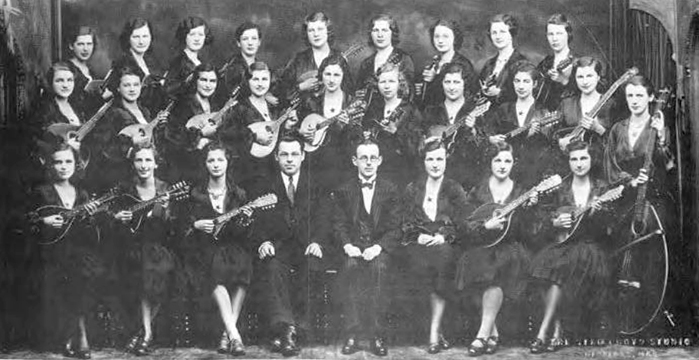
Angela: 2nd from the left in the back row; Ollie: bass player on the far right
It was in Winnipeg 47 years ago that the Ukrainian immigrants — your parents and mine — had built their first social and cultural home, The Ukrainian Labour Temple, where their own daughters first sang the Ukrainian songs they yearned to hear. A precious offering: to keep alive the cultural heritage of ones parents and people. The mandolin orchestra of some dozen Ukrainian schoolgirls (later to double in number) was the first of its kind in Canada. It was talked about far and wide because it had added something new to the cultural life of this country, enriching the new homeland with the songs of yet another people… We practised long, long hours and were finally sent on tours–playing on farms, in towns, hamlets and big cities from Vancouver to Montreal; on stages improvised and first class; indoors and under open skies. We were sisters and we loved each other and helped each other. It was a wonderful team. There were times when we were one person, one instrument in spirit and in song. I wish I could remember how many concerts in all were given by that first Winnipeg mandolin orchestra. Hundreds and hundreds, we never refused to play. It was a happy time.2
My brother Paul, who was two years my senior, learned to play the trumpet. When he was older, he formed The Bobbs Band. They played at a small movie theatre during intermissions. That was when he changed our surname from Bobowsky to Bobbs.3 All his siblings adopted the name as well.
When we were a little older, we attended dances at the hall where I stepped on many, many toes before I learned to dance properly.
There was a lot of activity outside the temple as well. The price of a movie was five or ten cents. These movies always ended with a cliffhanger,4 so we had to go back the following week after each new movie to see the good guy saved. They were always saved.
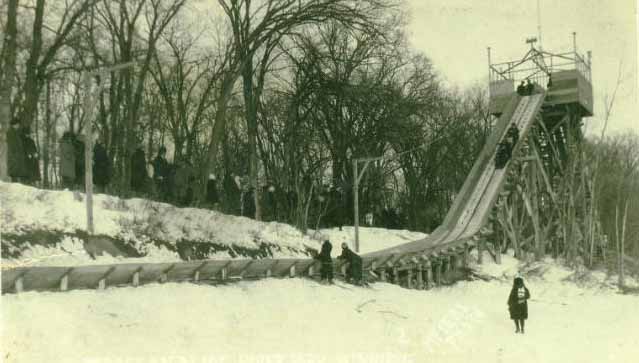
I went swimming at a pool about a mile from our house. We played baseball on vacant lots. There were toboggan slides on the Red River. We climbed a flight of steps and when we reached the top, six to eight people would sit on a toboggan and slide down. So we went, back and forth. I believe it was built for the public by the city as I don’t remember having to pay an admission fee.
There were skating rinks on empty corner lots in the winters and one larger skating rink nearby with a heated shed, a loudspeaker, and benches for putting skates on. I became interested in one of the boys at the rink so decided to put some makeup on. I had no mascara so decided to use black shoe polish. After I put my skates on and opened the door to go out on the ice, somebody threw a snow ball hitting me in the eye; needless to say, the black polish ran down my cheeks, and it was some time before I found out that the black from the shoe polish was running down my cheeks.
North End Winnipeg in the 1930s was a wonderful place for a family to learn and grow. It was a typical village befitting the proverb “It takes a village to raise a child.”
Next Chapter: Gimli
1 Kildonan Park is a park in North End Winnipeg. Return
2 The article cited is no longer published online. Return
3 Paul Bobowsky believed that his surname was an obstacle to obtaining work for his band because of discrimination against immigrants from eastern Europe. He changed his name to Bobbs in an attempt to get more ‘gigs’. His siblings followed suit. Return
4 Cliffhanger is a plot device intended to make the audience want to watch the next episode. Return
5 Source: Past Forward Winnipeg. Return